Tarija, Bolivia: Remote Work City Guide
- Your workday here
- Your 8–5 becomes 12PM–9PM
Best for: US work hours · Budget-conscious · Mild climate
- Affordable vs US
- Strong work-hour overlap
January
Year-round average
35% of US
Compared to US index (100)
15–23°C
Target -10–50°C
25 rainy days
229 mm/mo · target 0–31 days
12PM–9PM
5h overlap with your schedule
Spanish, Quechua
159K
Medium
60
Medium
58
Medium
60
Medium
Map of Tarija
- JanCool & Wet
- FebCool & Wet
- MarCool & Wet
- AprCold
- MayCold
- JunCold & Dry
- JulCold & Dry
- AugCold & Dry
- SepCold
- OctCool & Wet
- NovCool & Wet
- DecCool & Wet
- Ideal
- Warm
- Cool
- Cold & Wet
- Cold
- Hot & Dry
- Hot
Match score breakdown
Tarija, Bolivia
Strong fit for affordable vs us, and strong work-hour overlap.
Last updated August 2, 2026
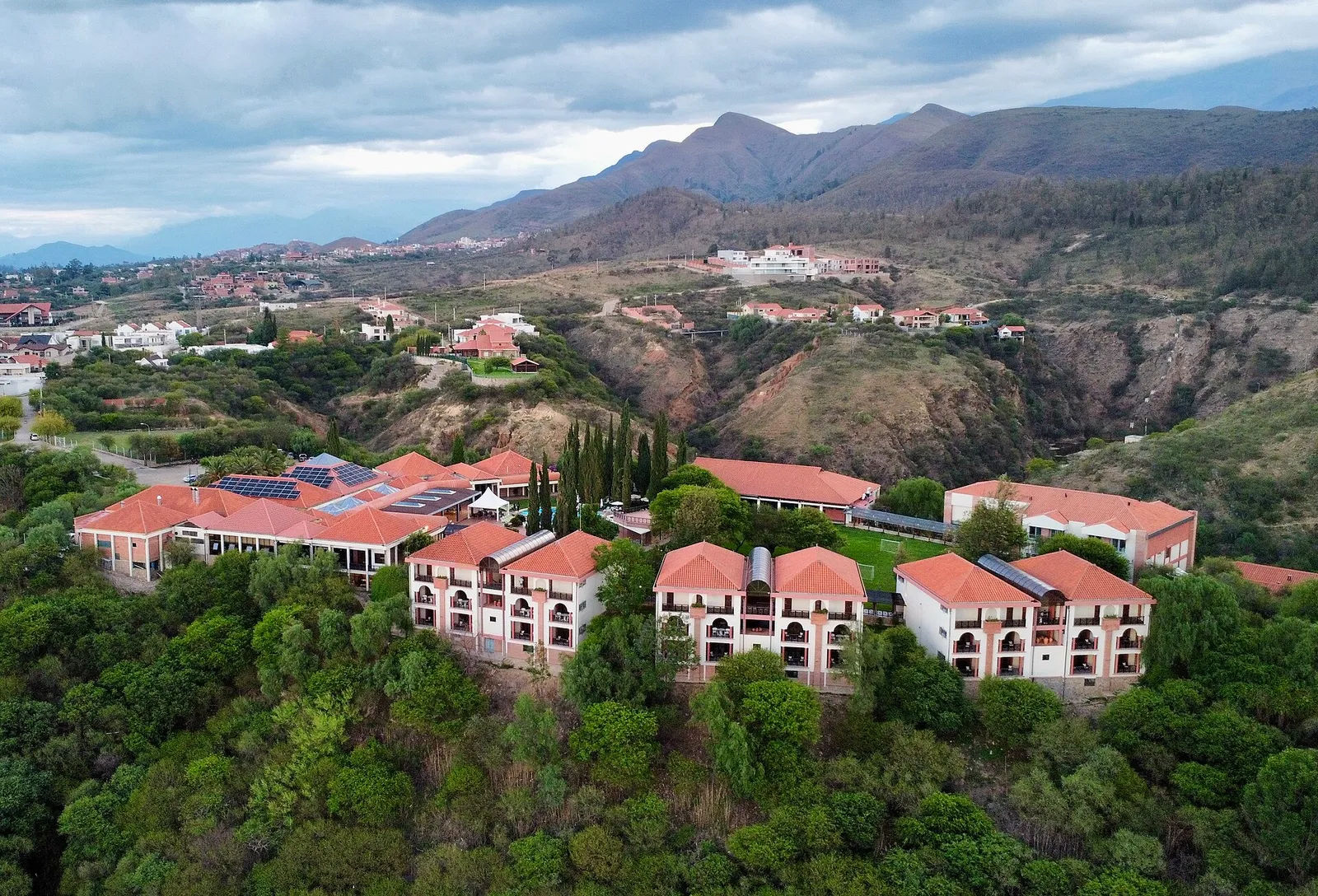
Tarija, the capital of Tarija Department, has a cost of living at 35% of the US baseline.
Spanish and Quechua are among the main languages. You would work from 12PM to 9PM local time in January. The best month for moderate weather is January, averaging 18°C with about 25 rainy days. The city sits at an elevation of about 1,870 m.
Livability is medium, with medium safety (60), medium healthcare (58), and medium digital infrastructure (60).
- Cost of living
- 35% of USWorld Bank PPP at country level unless this is a US city with a regional index.
- Healthcare access
- 58/100Country-level access index for Bolivia, not hospital quality in Tarija.
- Safety
- 60/100Global Peace Index component for the country.
- Livability
- Medium58/100 country composite (safety, healthcare, digital).
- Languages
- Spanish, Quechua
Tarija averages about 14°C–23°C from November through March, with roughly 187 mm of rain in a typical winter month.
The Desk Port is not medical, visa, tax, or financial advice. Healthcare figures are country-level access indexes, not hospital quality or a treatment recommendation.