Nagoya, Japan: Remote Work City Guide
- Your workday here
- Your 8–5 becomes 12AM–9AM
Best for: Mild climate · Strong healthcare · High livability
- High livability
- Limited work-hour overlap
June
Year-round average
100% of US
Compared to US index (100)
18–26°C
Target -10–50°C
15 rainy days
190 mm/mo · target 0–31 days
12AM–9AM
1h overlap with your schedule
Japanese
2.3M
Very high
86
Very high
91
Very high
90
Very high
Map of Nagoya
- JanCold
- FebCold
- MarCold
- AprCold
- MayCool
- JunWarm & Wet
- JulHot & Wet
- AugHot
- SepWarm & Wet
- OctCool
- NovCold
- DecCold
- Ideal
- Warm
- Cool
- Cold & Wet
- Cold
- Hot & Dry
- Hot
Match score breakdown
Nagoya, Japan
Strong fit for high livability.
Last updated August 2, 2026
Nagoya, the capital of Aichi, has a cost of living at 100% of the US baseline.
Japanese is the main language. You would work from 12AM to 9AM local time in June. The best month for moderate weather is June, averaging 22°C with about 15 rainy days. The city sits at an elevation of about 23 m.
Livability is very high, with very high safety (86), very high healthcare (91), and very high digital infrastructure (90).
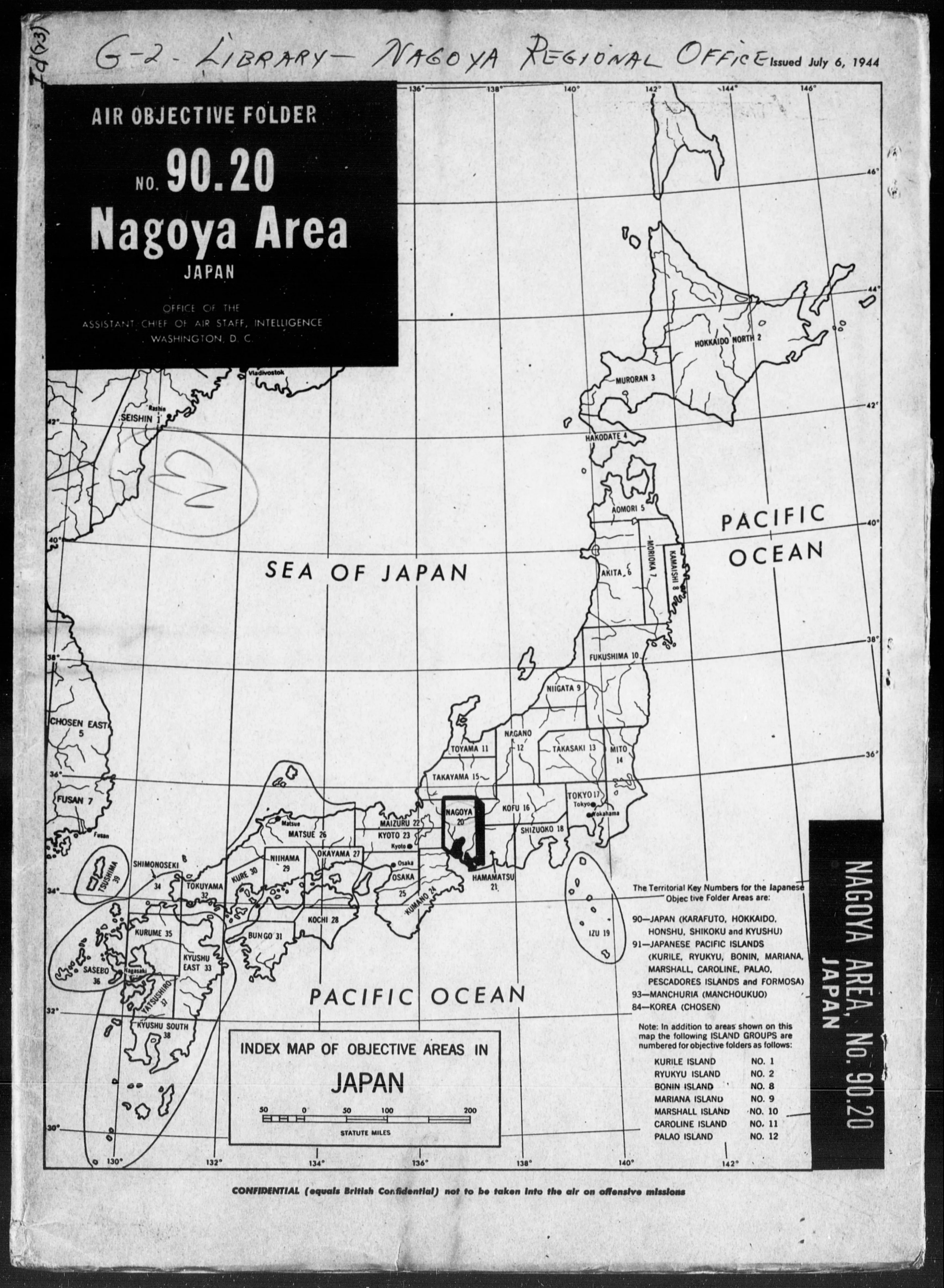
Photo 1 of 3
Photo: War Department. U.S. Strategic Bombing Survey. Pacific Survey. Intelligence Branch. Library and Target Data Section. 1945-1946 (Most Recent) War Department. Army Air Forces. Office of the Assistant Chief of Air Staff, A-2 (Intelligence). (6/20/1941 - 9/26/1947) (Predecessor) / Public domain · Source
- Cost of living
- 100% of USWorld Bank PPP at country level unless this is a US city with a regional index.
- Healthcare access
- 91/100Country-level access index for Japan, not hospital quality in Nagoya.
- Safety
- 86/100Global Peace Index component for the country.
- Livability
- Very high87/100 country composite (safety, healthcare, digital).
- Languages
- Japanese
Nagoya averages about 2°C–11°C from November through March, with roughly 74 mm of rain in a typical winter month.
The Desk Port is not medical, visa, tax, or financial advice. Healthcare figures are country-level access indexes, not hospital quality or a treatment recommendation.